Video

Conservation Refugees – Expelled from Paradise

By • Mar 6, 2011

Conservation refugees are people, mostly indigenous people, who are displaced from their traditional homelands to create conservation areas including national parks and biodiversity reserves.

Since the “discovery” of the Yosemite National Park on March 21, 1851, as many as 20 million people have been turned into Conservation refugees.

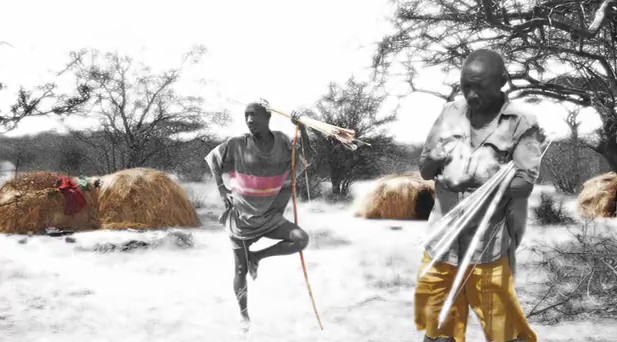
Conservation Refugees – Expelled from Paradise, an award-winning documentary by Marketfilm and Friends of People Close to Nature, introduces us to some of these refugees and the struggles they now face as displaced peoples.

You can watch the film online at http://www.fpcn-global.org/de/video/Conservation-Refugees-Expelled-Paradise or http://vimeo.com/12273503

Synopsis
It is no secret that millions of native people around the world have been forced off their homelands to make way for oil, mines, timber, and agriculture. But few people realize that the same thing has happened for a cause which is considered by many as much nobler: land and wildlife conservation.

Indigenous peoples evicted from their ancestral homelands, for conservation initiatives, have never been counted; they are not even officially recognised as refugees. The number of people displaced from their traditional homelands is estimated to be close to 20 million. These expelled native peoples have been living sustainable for generations on what can only be reasonably regarded as their ancestral land.

  • John Ahni SchertowJohn Ahniwanika Schertow is an indigenous rights activist of Mohawk (Kanienkehaka) and mixed-European descent. For the past 8 years, he has served as the e... read full bio

One thought on “Conservation Refugees – Expelled from Paradise

  1. Beej in AZ

    Little do we know about this type of REFUGEE in America? We drive to our National Parks, Government built dams, even state owned land dedicated to saving the land for the future and we think good but is it good. Who lived on this land? Who really owned this land? Were did the people that lived on this land go? How or did they get compensated for the taking of this land. Immigrants that came here to the colonies, immigrants that come to the colonies that were getting away from tyrants in the land they came from! Why did they not think of helping these displaced peoples in moving? This is bad,sad news of today.

    Some of these Refugee’s are now coming of age and doing better and we still fight them and try to keep them from doing well. They wished these refugee’s to just assimilate and take the white mans ways and now they have the schooling to fight back, their children has learned the white mans laws in the schools/colleges/universities they attended. I applaud these refugee’s in their fighting back and doing to the white man his just due.

    Reply

Leave a Reply

Connect with us

Get our latest articles by email!


Can't wait to see it....
important notice --rodney liddell--photographer, searching robert kupano north solomons radio bougainville 1980-82.Family from Kanga Beach Buin He was my guide searching for war relics to photograph.74 photos published in book...
It definitely wasn't my intent to disparage Real News or anything like that. I really just wanted to outline the 'media crisis' in the hope that everyone in the list...
Real News, which came in last in your infographic, is evidently delivering what its readers want. Otherwise, they wouldn't be donating hundreds of thousands of dollars every year to keep...
Given the results of our research, a more in-depth examination is definitely in order....
Our Aboriginal people are more Canadian than most of us, myself included. It is not their fight it is our fight as Canadians and we need to join them. Fracking...
Sadly I feel these RCMP's, do feel within their rights[doesn't mean their right]because it's the gov't of Canada, which is ultimately at fault; and the reason the [gov't + RCMP]...
Keep on fighting people, my heart is with you....
Who are the Abatwa
The Batwa (also known as the Abatwa or Abathwa) are the oldest known inhabitants of the Great Lakes region of central Africa. They are often referred to as "pygmies" due to their small stature. That...
Learn more about the , and other Indigenous Peoples around the world

"In a media landscape made up of lies, flash, giant blind spots and corporatized sites of distraction, Intercontinental Cry is a trustworthy pathway to the truth where people who are committed to understanding Indigenous realities can gain insight and information to illuminate and activate their struggles."

Taiaiake Alfred
Professor of Indigenous Governance at UVIC and author of Wasáse
Hair of the Dog